


Optimizing Automated Deal Matching
RiseX

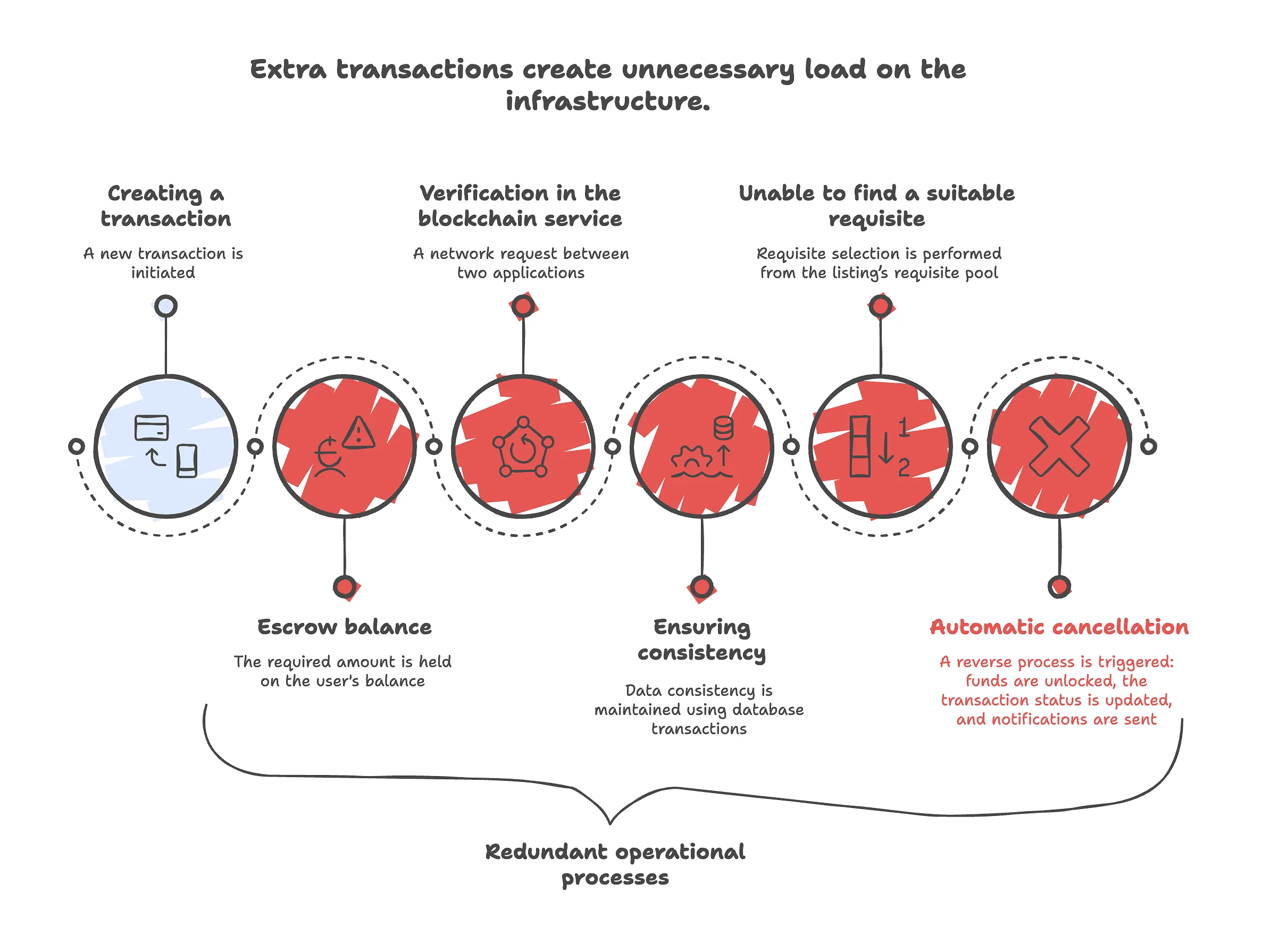
The platform’s automated deal-matching system had been working reliably for several years. Nevertheless, as the platform scaled, a predictable issue emerged: some transactions were being created even though the required payment details (requisites) were no longer available. This led to:
- User funds being frozen in unfulfillable transactions
- The database filling up with unnecessary transaction records
- Increased system load with no real benefit
In practice, this looked like the following: out of every 1,000 created transactions, around 200 had to be canceled because the selected listing had no available requisites left, making it impossible to assign one to the transaction. The issue only surfaced after the transaction was created, when the system tried to attach a requisite and failed. This added avoidable load to the database and job queues, and negatively impacted the user experience.
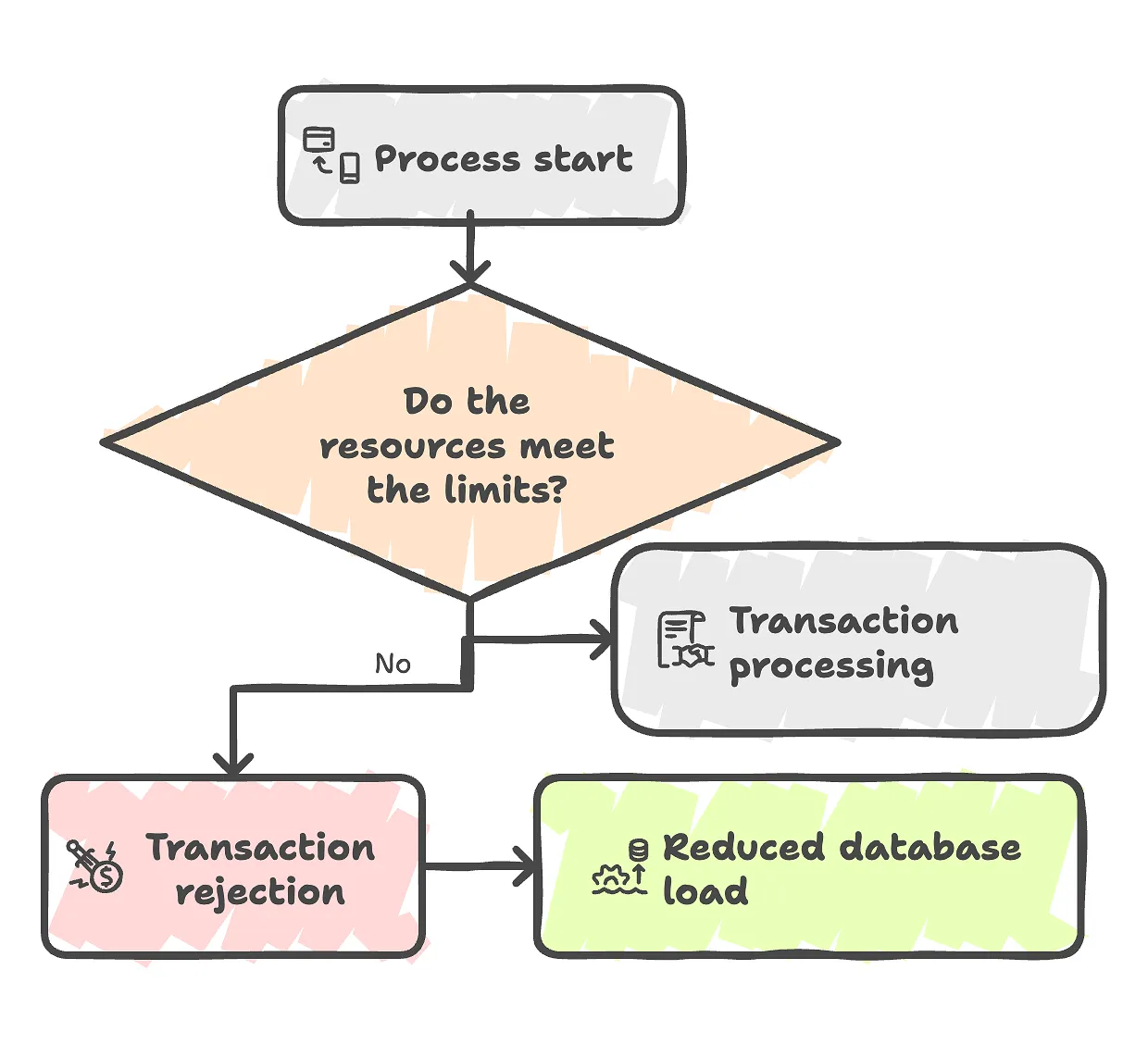
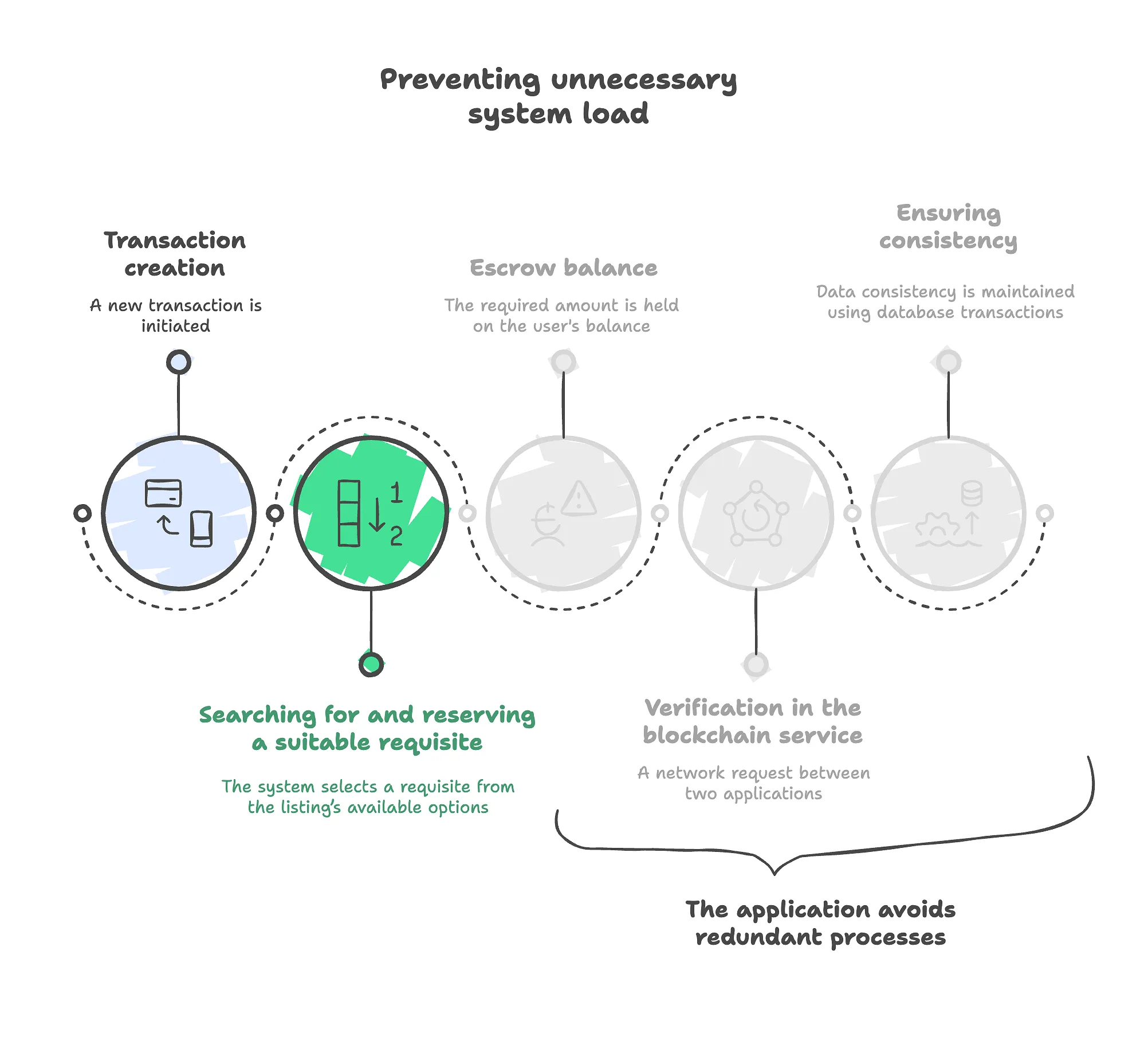
After revising the algorithm, the system began checking the availability of requisites during the listing selection phase, before a transaction was created. This allowed the platform to skip listings with exhausted requisites upfront, significantly reducing unnecessary operational load.
Objective
We needed to design a reliable mechanism that would:
- Automatically exclude requisites that have reached their usage limits
- Ensure that each created transaction can actually be completed
- Allow users to define a custom priority for how their requisites are used
A key requirement was that the upgrade had to be deployed without any service downtime.
What We Did
Requisite Limit Tracking
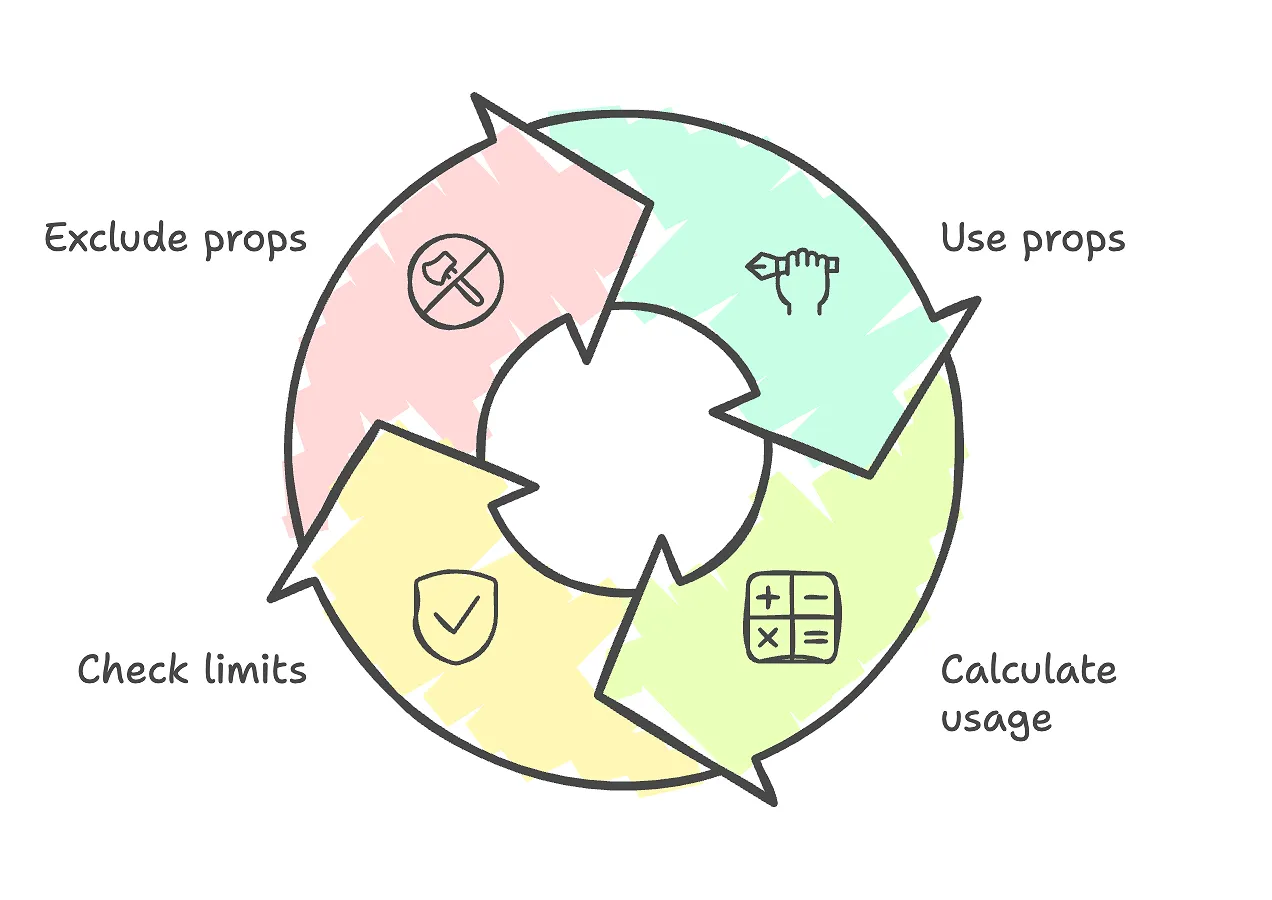
Each requisite is now paired with a tracking system that records:
- The number of times it’s been used
- The total volume of associated transfers
- Its live status relative to set limits
Once a limit is reached, the requisite is automatically excluded from the available pool.
Requisite Selection Logic
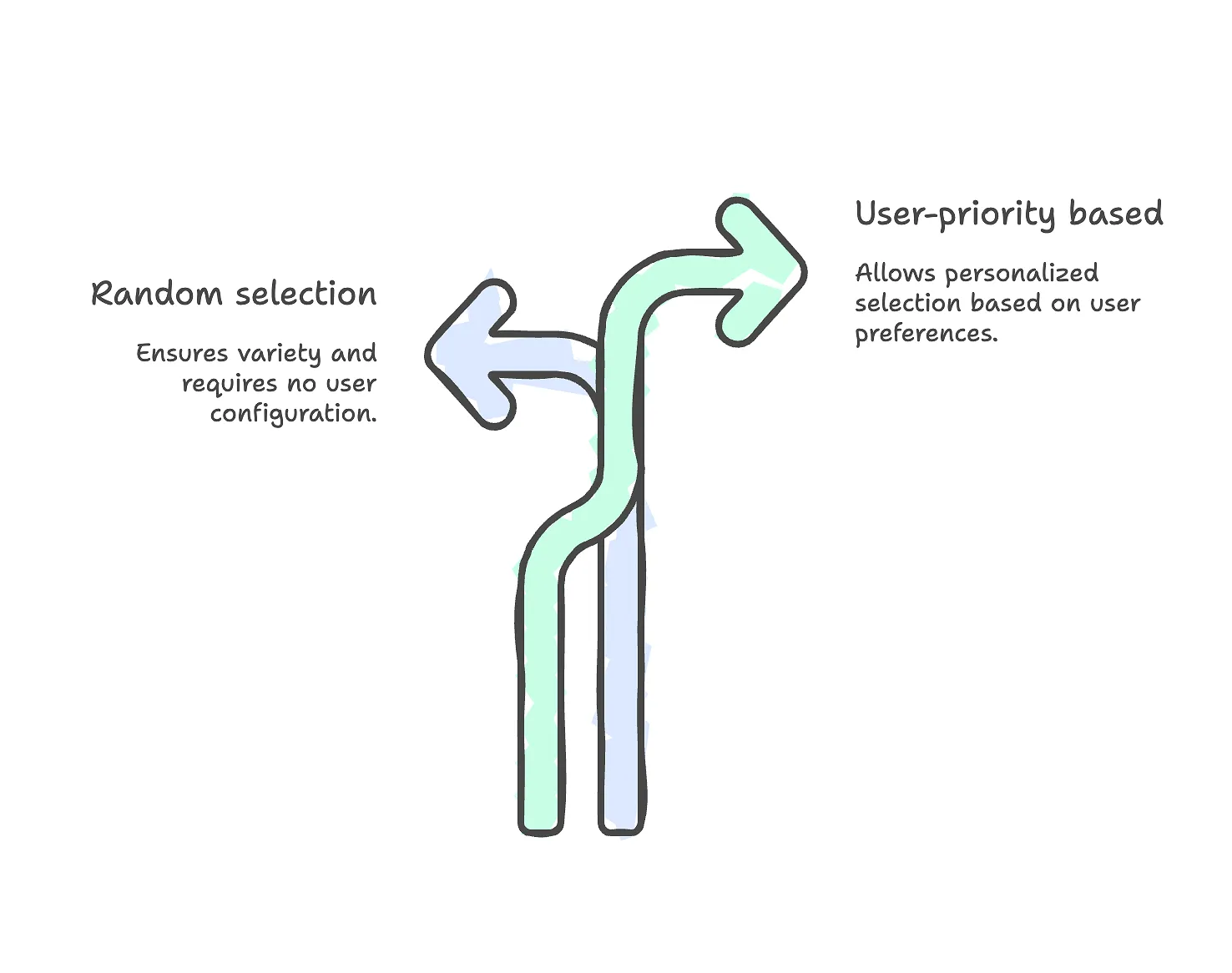
When a requisite becomes unavailable, the system follows one of two selection strategies:
- Random selection — chooses from the available options
- User-defined priority — follows the order configured in the user's dashboard
This gives flexibility to align system behavior with user preferences or business rules.
Limit Updates via Events
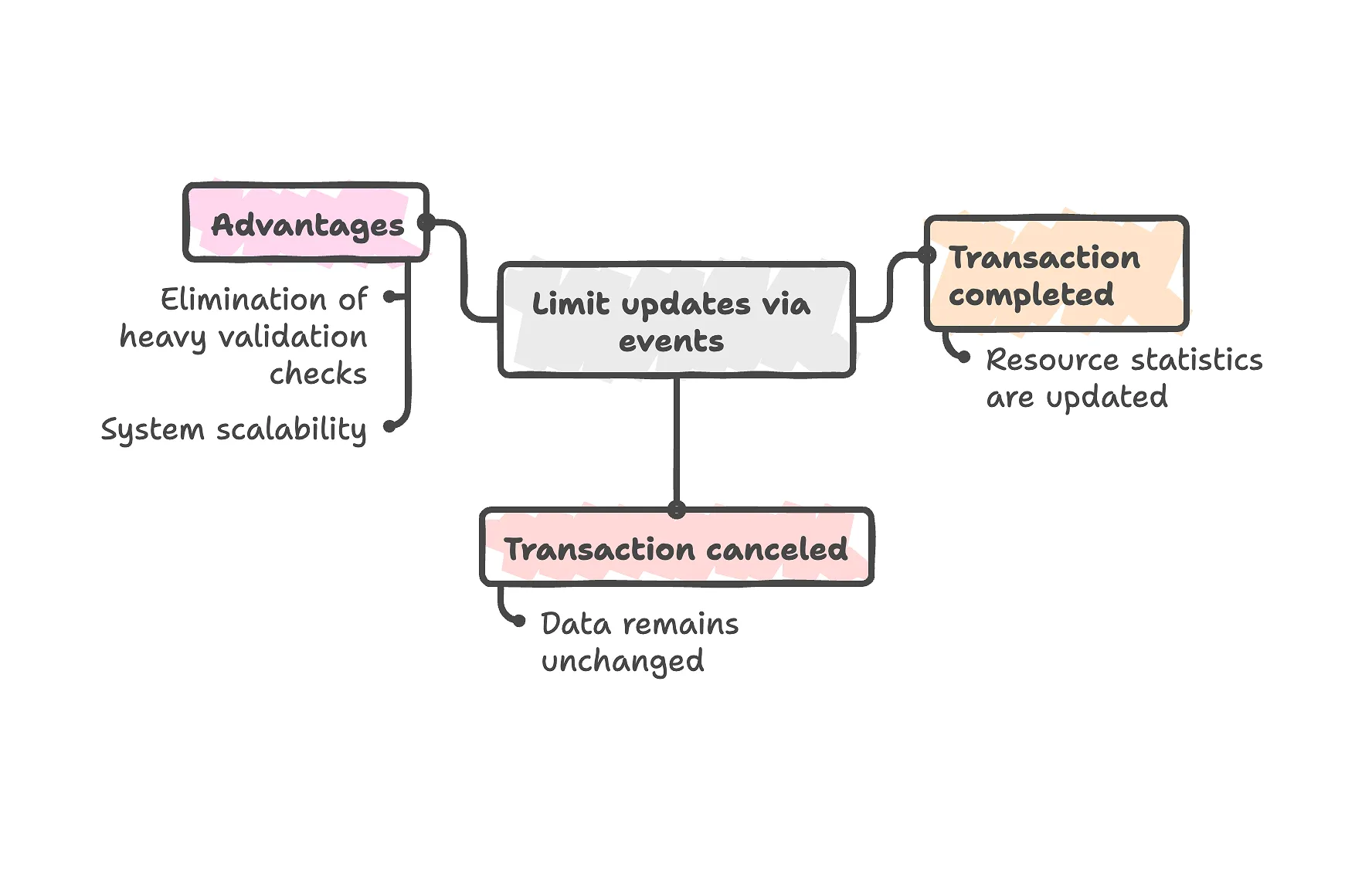
Limit changes are processed using Laravel’s event system:
- If a transaction is completed — requisite stats are updated
- If a transaction is canceled — stats remain unchanged
This event-driven architecture replaces heavy background checks and makes the system far more scalable.
Early-Stage Filtering
Listings with only exhausted requisites are now filtered out before a transaction is created. This prevents the system from wasting resources on unfulfillable transactions and keeps the database lean.
Results
- The system stopped creating “dead-end” transactions
- Redundant operations and DB queries were significantly reduced
- Transaction creation became faster and more predictable
- Platform stability and reliability improved
- Users gained clear control over how their requisites are prioritized
Tech Stack
- Laravel — core framework, event system, job queues
- Redis — used for caching requisite limits, tracking counters, and powering queues (Redis driver)
- Laravel Queue — async job processing for updating stats and handling events
- MySQL — primary data store for user preferences and final values
Why It Matters
Challenges like this aren’t solved with off-the-shelf tools. They require a deep understanding of business logic, stable architectural planning, and precision when working with transactional systems.
We don’t just write code — we integrate into the most sensitive parts of your infrastructure and make them reliable, scalable, and production-ready.
Other projects

VPUT is an aggregator for apartment rentals in Bulgaria. Over a dozen people worked on this project, with an overall investment of 300,000 euros. This rental property database currently features 2,200 units.


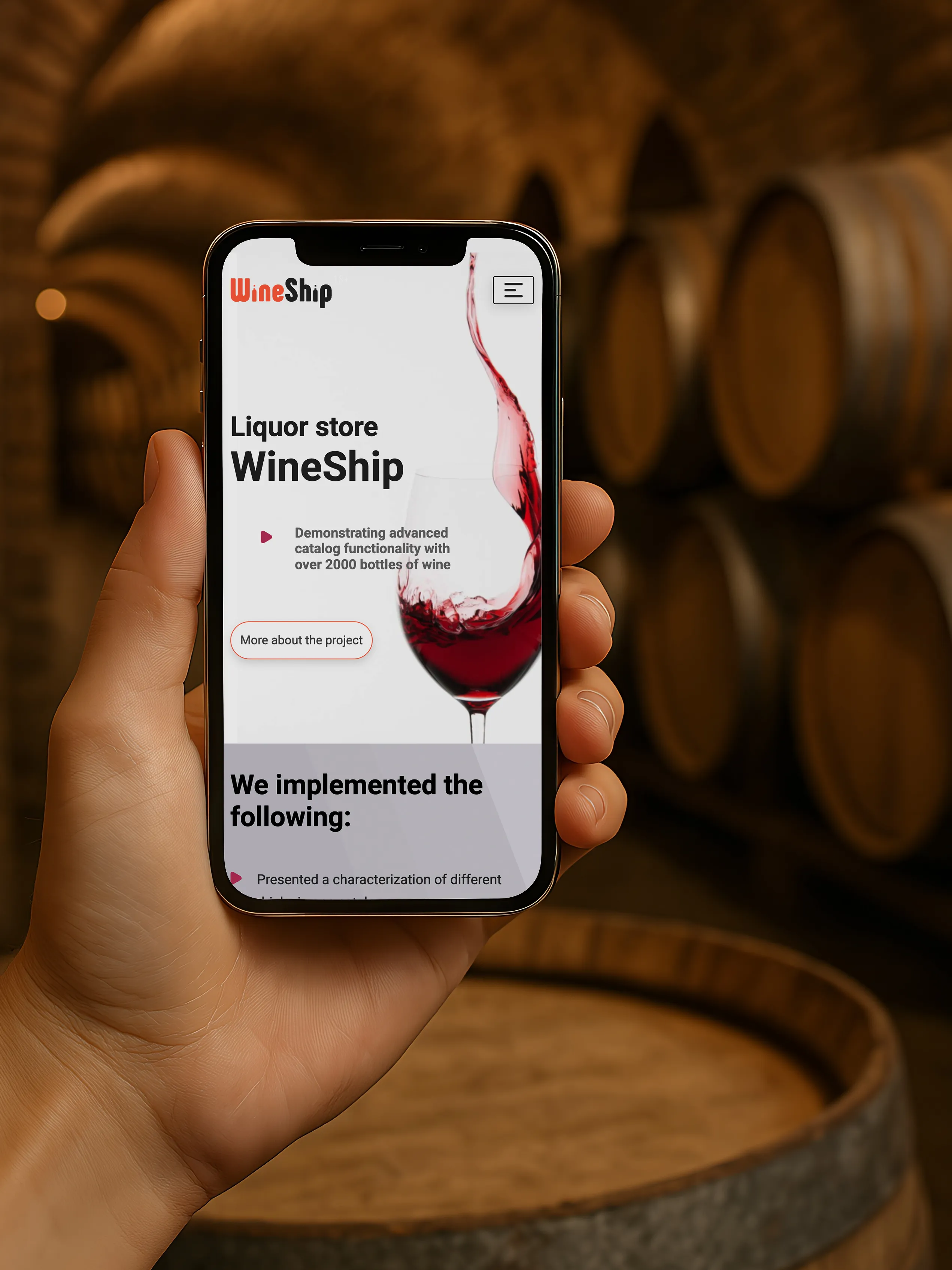
WineShip Liquor Store – advanced catalog functionality with over 2,000 bottles of wine.
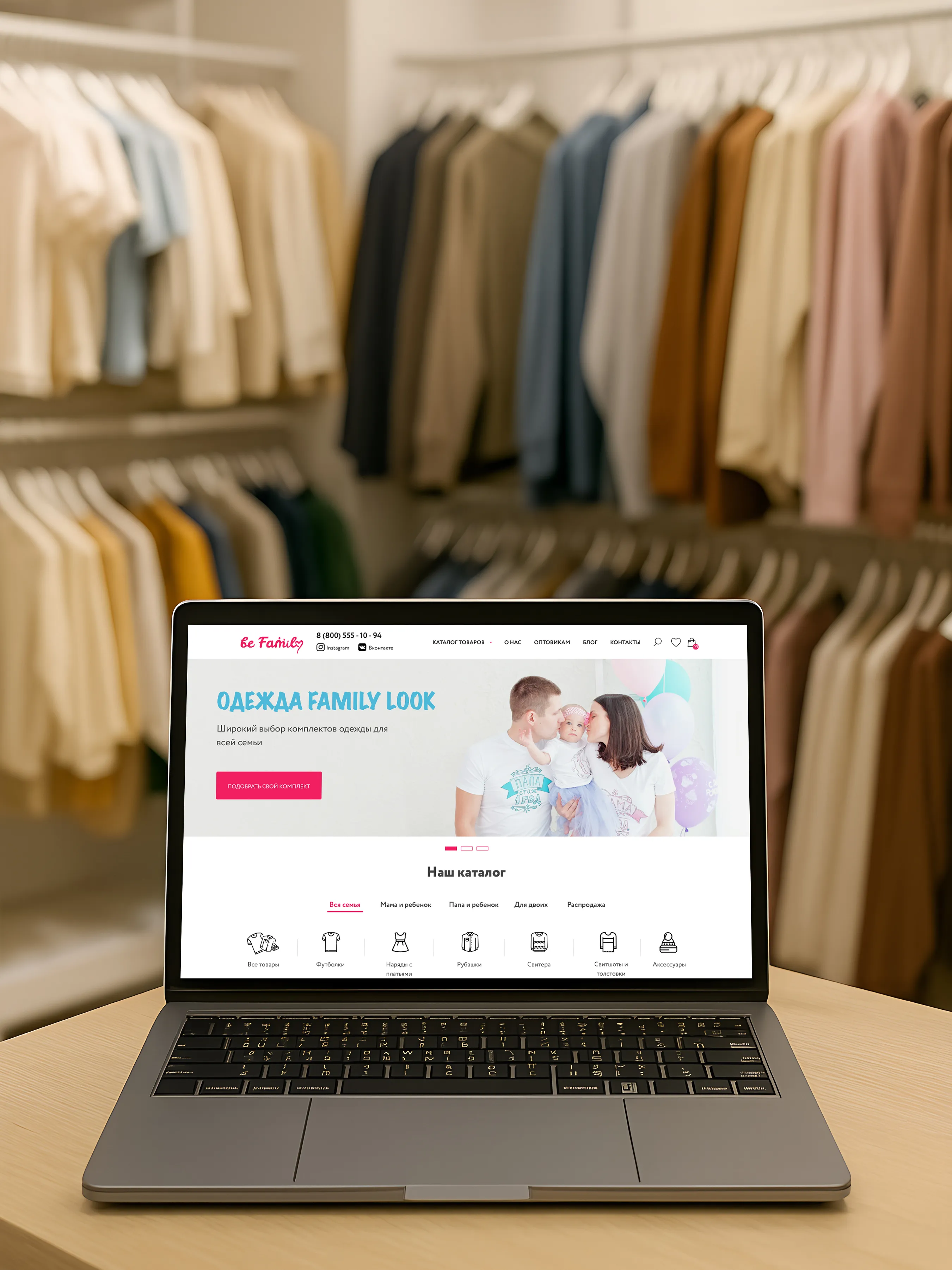
We developed a family clothing online store, optimizing the catalog, design, and user experience, boosting sales with SEO and usability improvements.

A modern site for selling elite, handmade carpets. Our main goal was to create a user-friendly, trustworthy website.

Successful launch of the RiseX cryptocurrency exchange from scratch – in just 7 months. The project involved 5+ people.
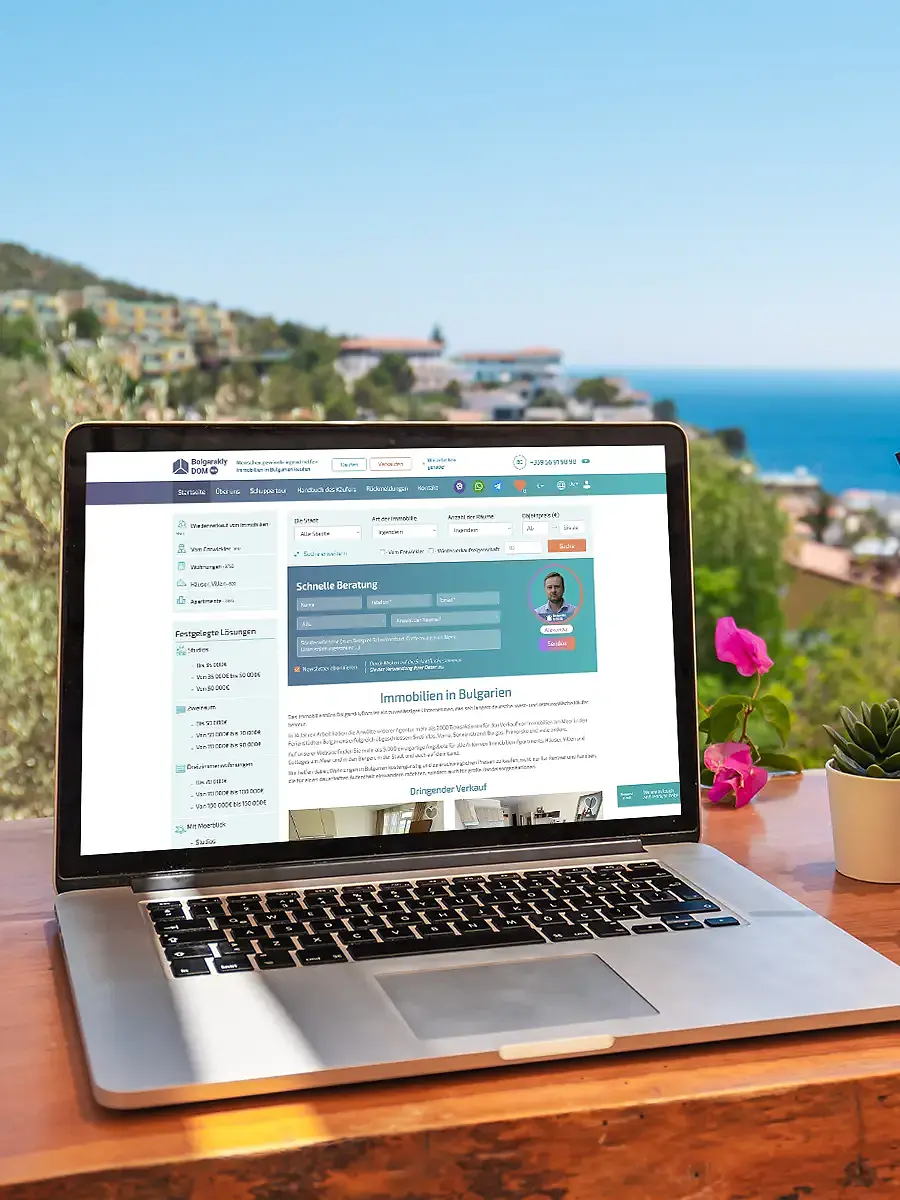
Bolgarskiy Dom is an aggregator for apartment sales in Bulgaria. Over 10 of our people worked on launching this project, creating a database of 5,000 apartments (as of 2024).

Neweurofences.com is an online store specializing in metal fences and gates. It operates in the USA, with delivery available to other countries.
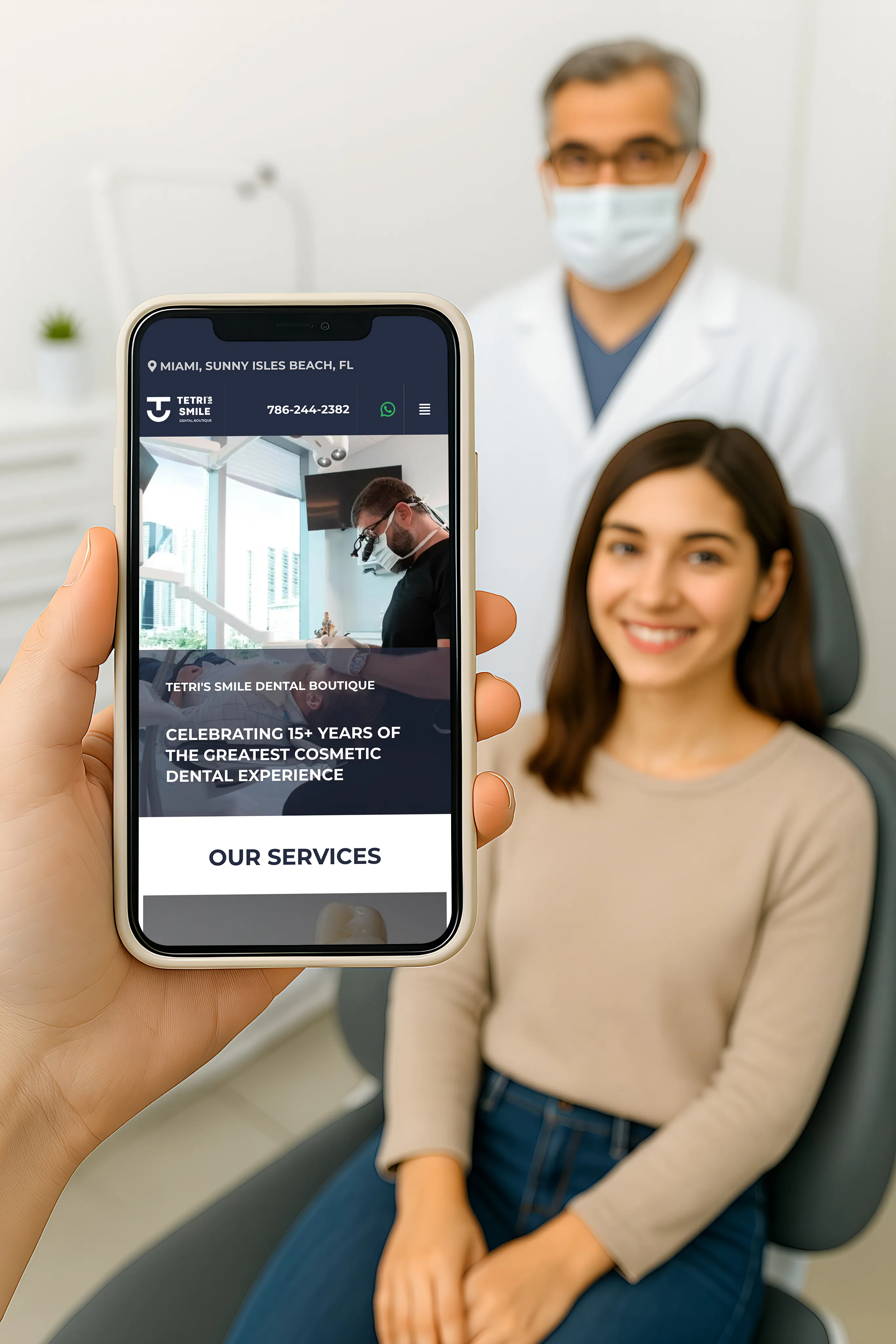
Webdelo recently worked with a brand new dental office in a highly competitive market. We started with a limited budget, and this was one of our first projects in the USA. Read more to learn how we approached this project.

Solea Wellness is a beauty and health salon in Miami offering rejuvenation treatments. The client came to us with the request to increase the website's visibility in search results and attract new customers. The project started with zero rankings, which required a comprehensive approach to promotion and development.

🔹 As a salon in Miami increased applications by 3 times and organic traffic by 250% 🔹 From 0 to 180+ requests in TOP-3: real business growth case

Case study of the development and promotion of an online optical store. Over 10 people worked on this project, creating a catalog with over 10,000 individual items.

Our case study of Svetlanadental.com explores Webdelo’s work in the promotion and website development of a dental office located in south Florida, USA. This establishment is owned by a doctor with extensive experience in her field, and numerous awards.
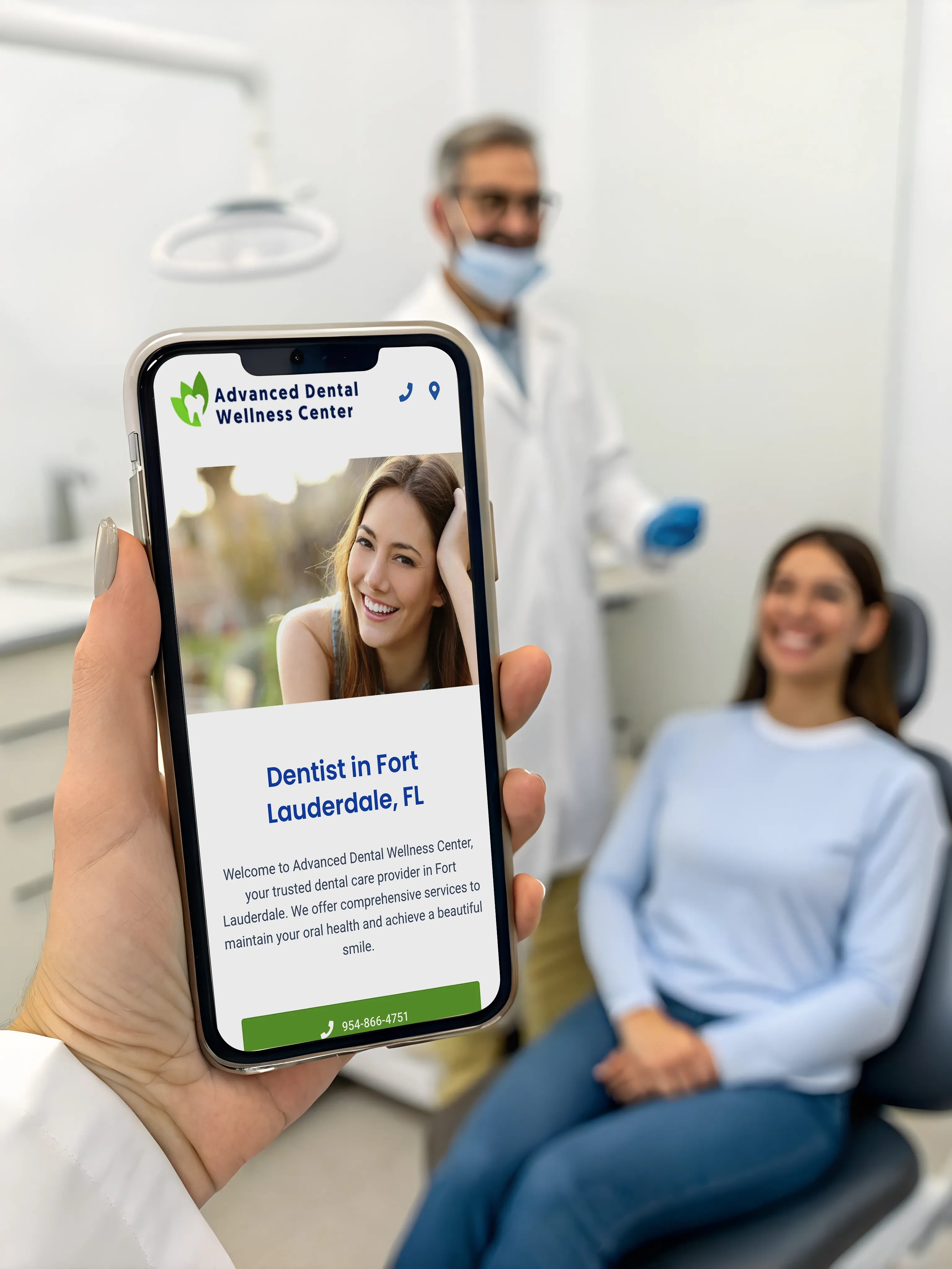
Advanced Dental Wellness Center is a dental office in Miami, Fort Lauderdale. ADW offers holistic dentistry with a unique approach to treatment.

Migrated MyMoneyArt to WordPress, optimized SEO & UX: +500% traffic, 6× more leads.
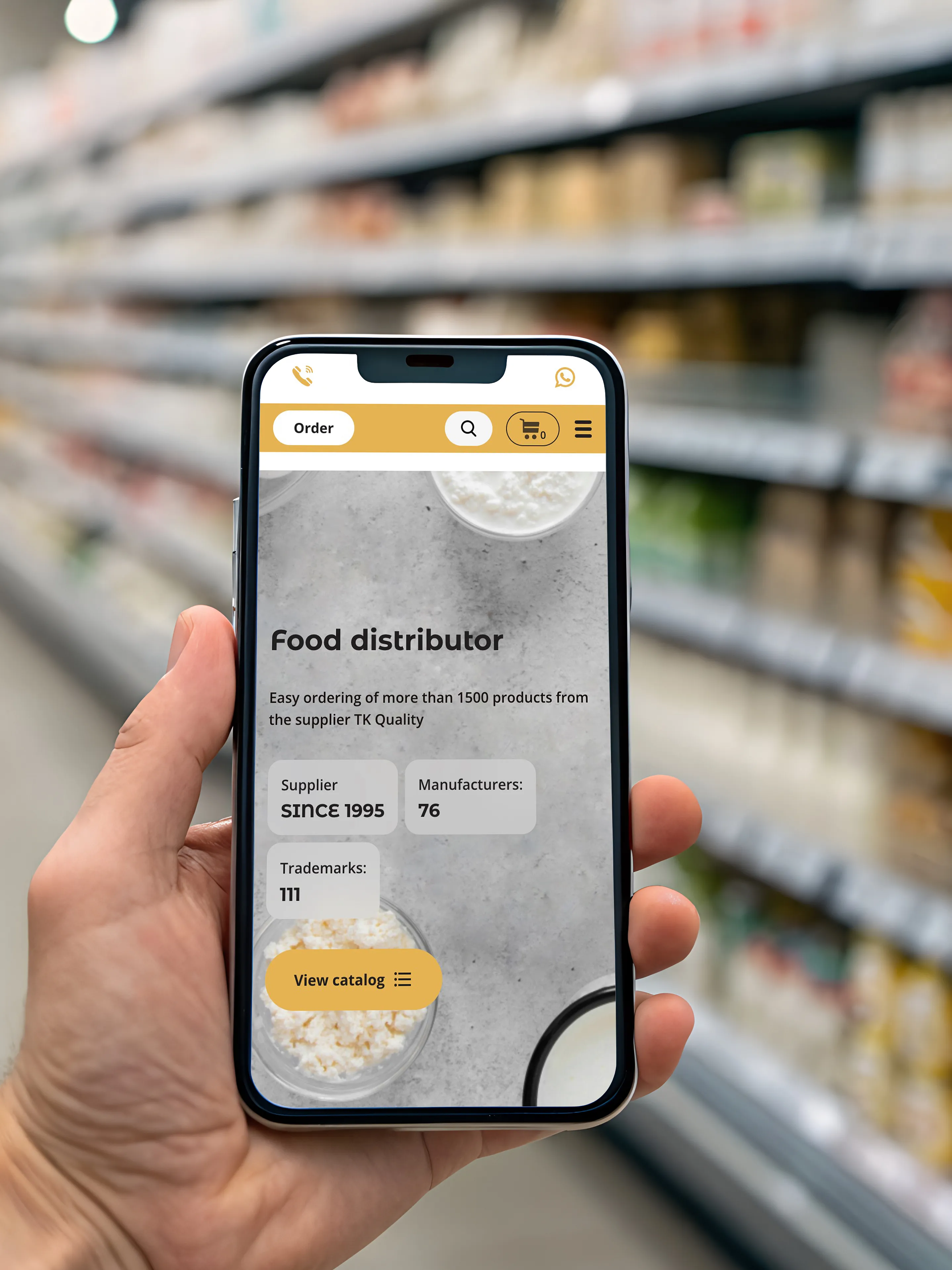
Biomilk is a food distributor in Moscow and the regions. +100% organic traffic in 3 months, 200 keywords in the top 10 of Yandex and Google.

Promotion of VIP Dentistry in Manhattan, New York City From 13 to 80 Queries in Google’s Top 10 in Six Months
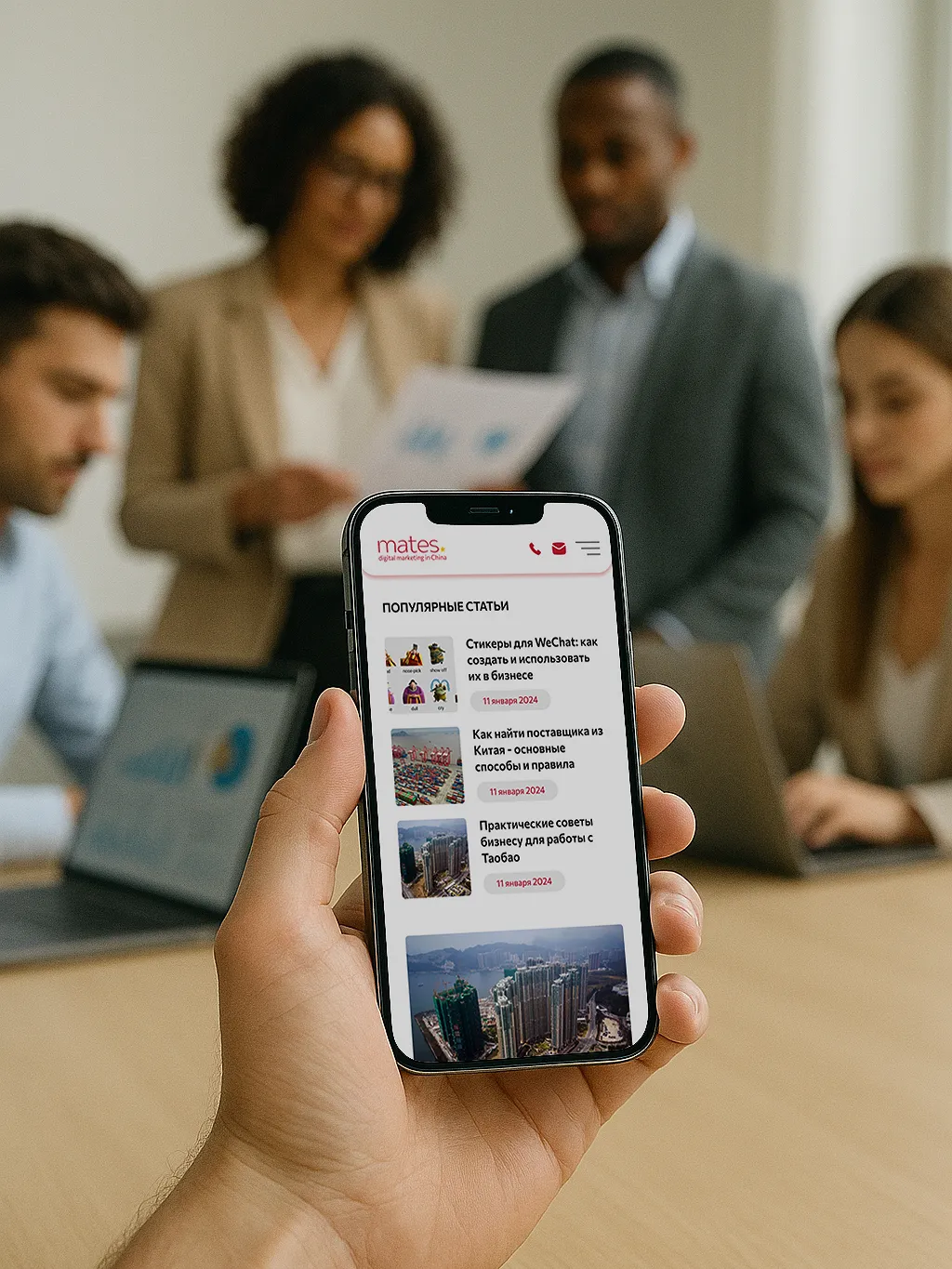
Mates China is a digital marketing agency that helps businesses promote their products in China through local social networks and marketplaces, including: WeChat, Weibo, Baidu, Douyin, LRB, and others. We helped their team increase traffic by 12 times over a period of 7 months.
How We Built a Vacation Rental Service in Bulgaria and Reached 1,500 Seasonal Bookings – From Idea to Full-Scale Product with SEO and Marketing
Online service with automatic price calculation and +40% orders right after launch.
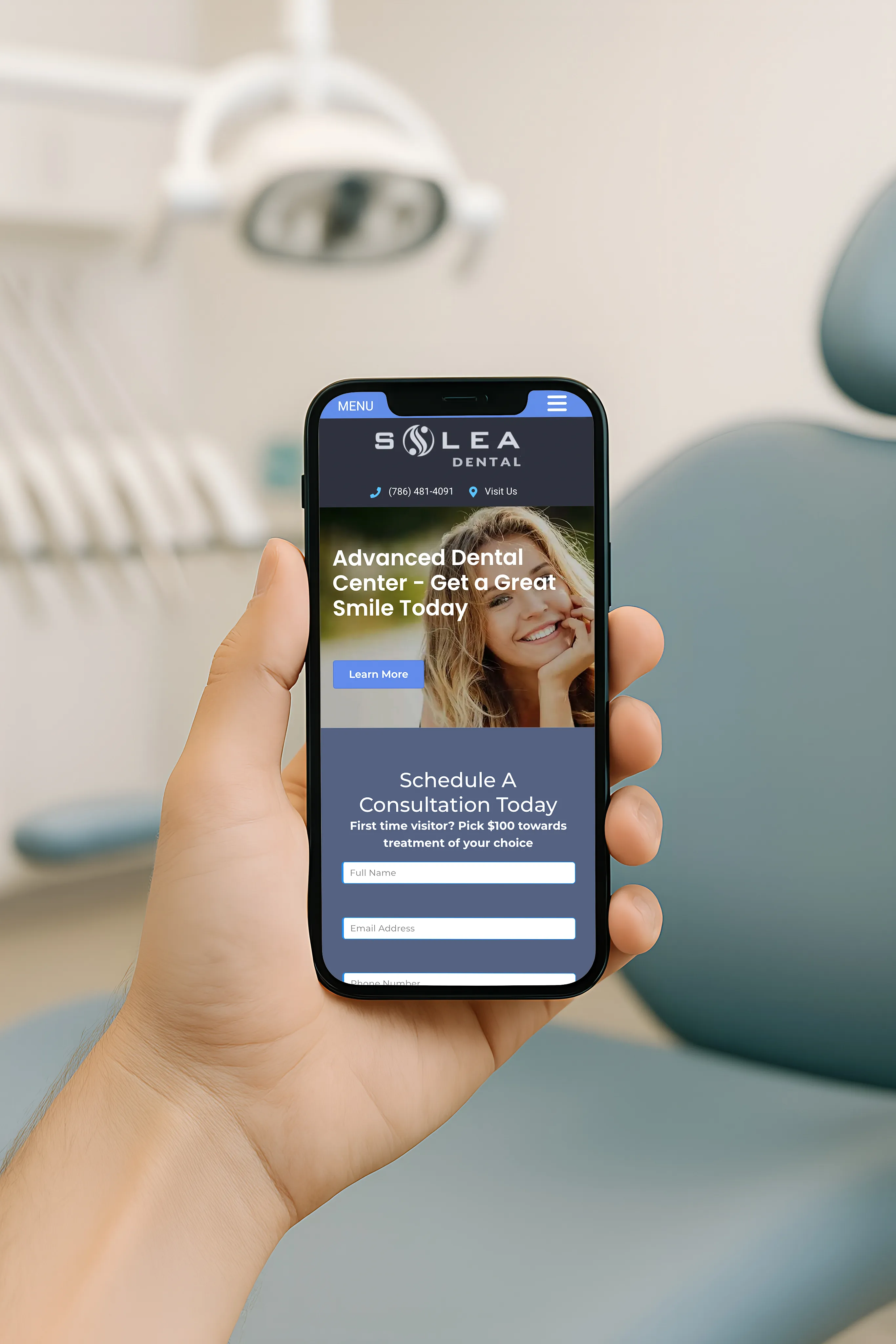
A dental clinic located in Sunny Isles Beach tripled its number of patient inquiries through search engine traffic and digital marketing. We started promoting the website from scratch, right after the clinic launched.

Explore our SEO approach — from analysis and audits to content, links, and ads. See how we drive businesses to the top of search results.
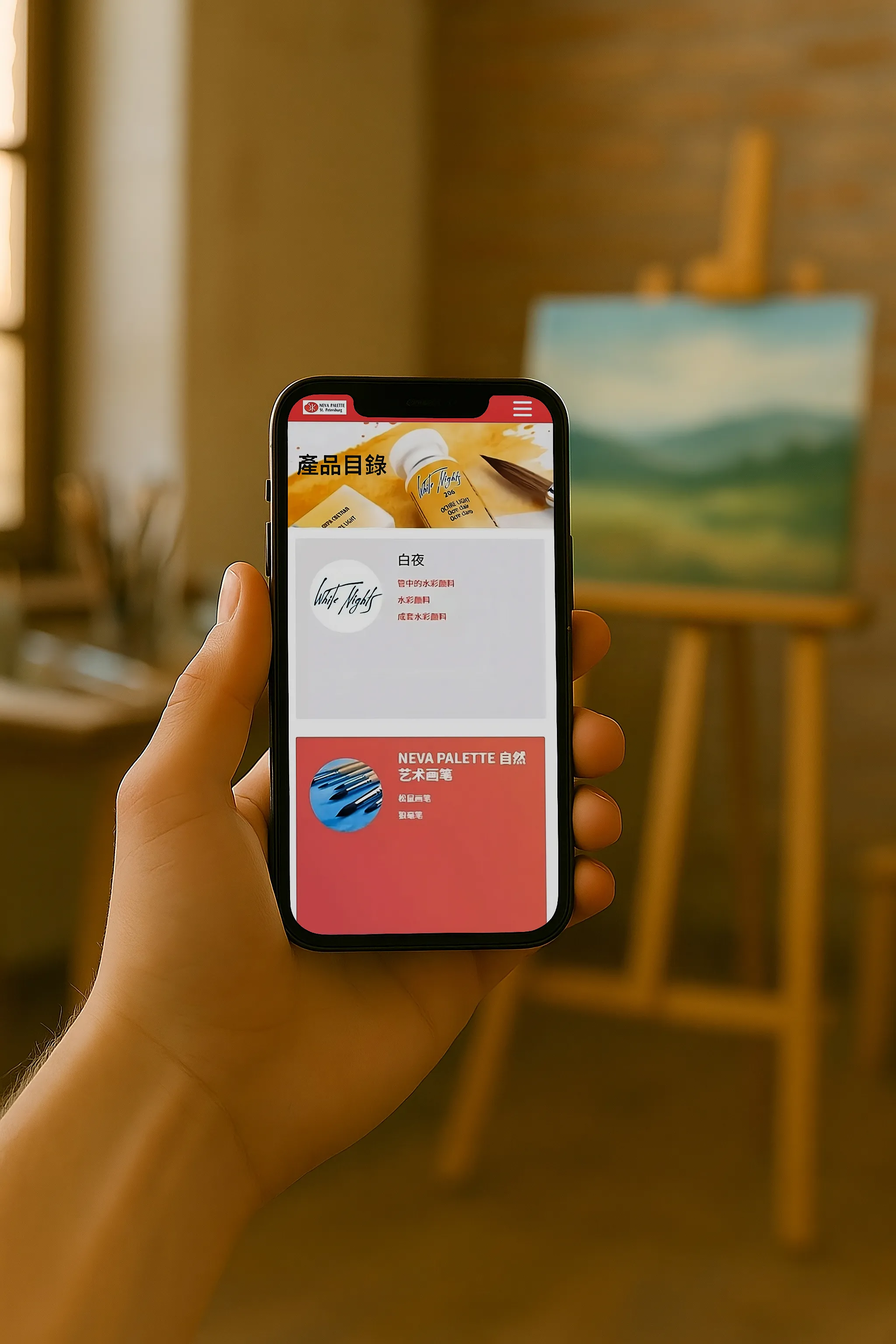
We built Nevapallete.cn for China: Hong Kong hosting, Chinese domain, fast loading across regions, and a timely launch.
A wine catalog with 2000+ bottles, smart filters, and selection by volume and vintage. Seamless UX and internal linking for better SEO.

Comprehensive SEO for Annazur beauty salon in Florida: traffic growth, local rankings, site optimization, and increased service bookings.

Dental clinic SEO case: 50-80 target calls/month, top search rankings, and traffic growth since Feb 2023 from content and tech improvements.
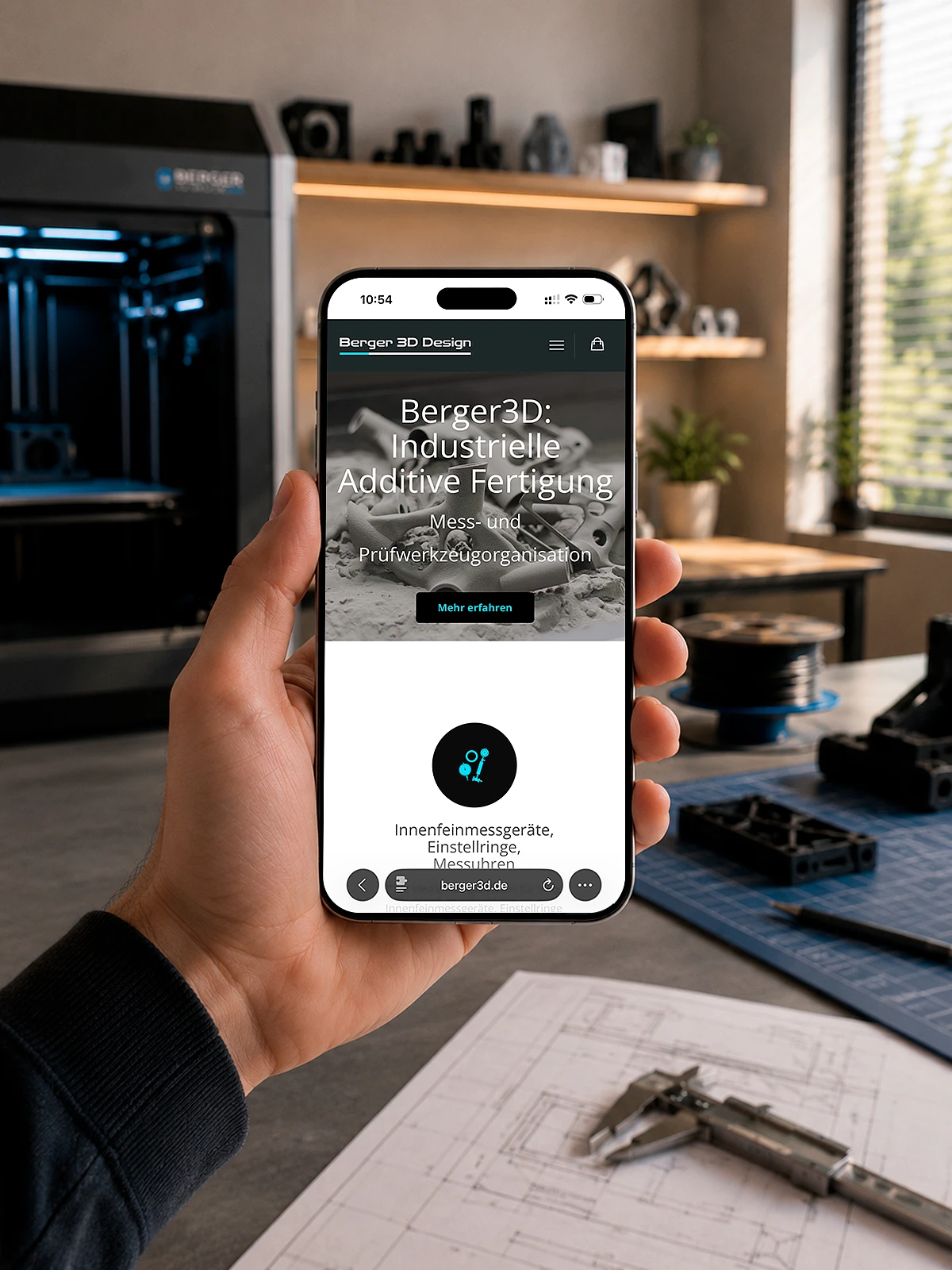
WordPress showcase website with catalog for German B2B- storage systems for measuring equipment. User-friendly catalog, shipping calculation, VAT validation.

Do you want your website to do more than just exist? Most likely; you want to bring real people to your website and attract customers to your business. At Webdelo, we know how to make that happen. The SoleaBrickellSpa case study is clear proof of our expertise and effective approach.


Discover how Webdelo helped a dental clinic with a small, one-page website double its local patient traffic.

How We Boosted Performance and Reduced System Load for Inquiries in Russian

Digital marketing for dental clinics: SEO, Google Maps, and targeted ads. Over 15 years of experience—50,000+ views and 4,860 leads monthly. Grow your clinic with Webdelo!

Discover how we moved 5 business locations from Excel to a unified system.

Refinement and development of the educational portal.

We transformed the dental supply store with a faster platform, real-time city-based inventory, and automated key operations. Since launch, traffic has quadrupled, returns have decreased, and the business is now positioned to scale confidently.

Discover How We Reduced Overloaded Queries from 16,685 to 24 in 1.5 Hours

Optimization of automatic ad matching.

Full-cycle development: from detailed technical planning and API architecture to launch and support. Transparent sprints and modern technologies for implementing complex ideas.
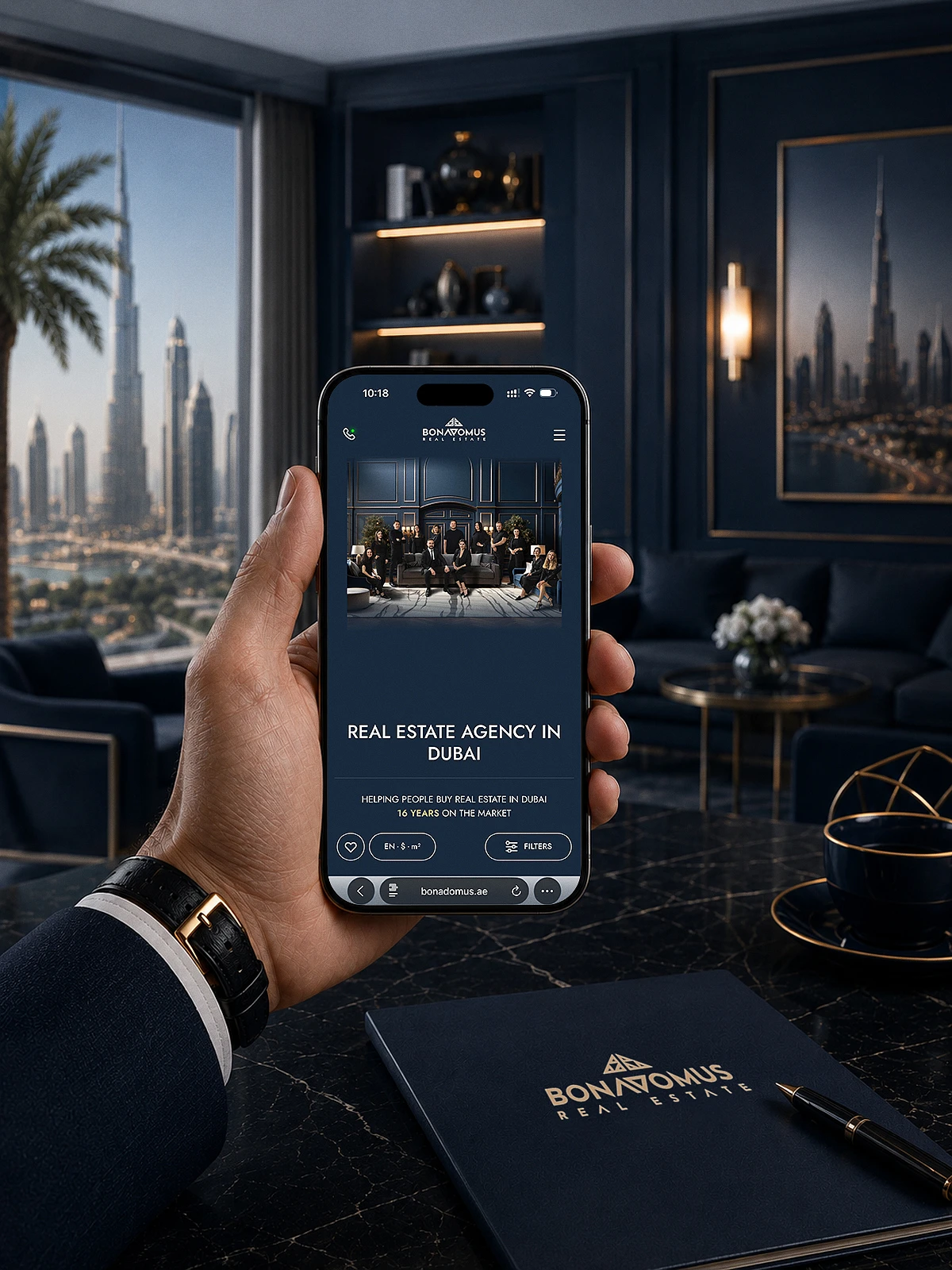
BONADOMUS is a purpose-built digital platform for Dubai real estate. Created from the ground up as a standalone product, it gives an international audience a multilingual property catalog that can grow across markets, currencies, and content types.
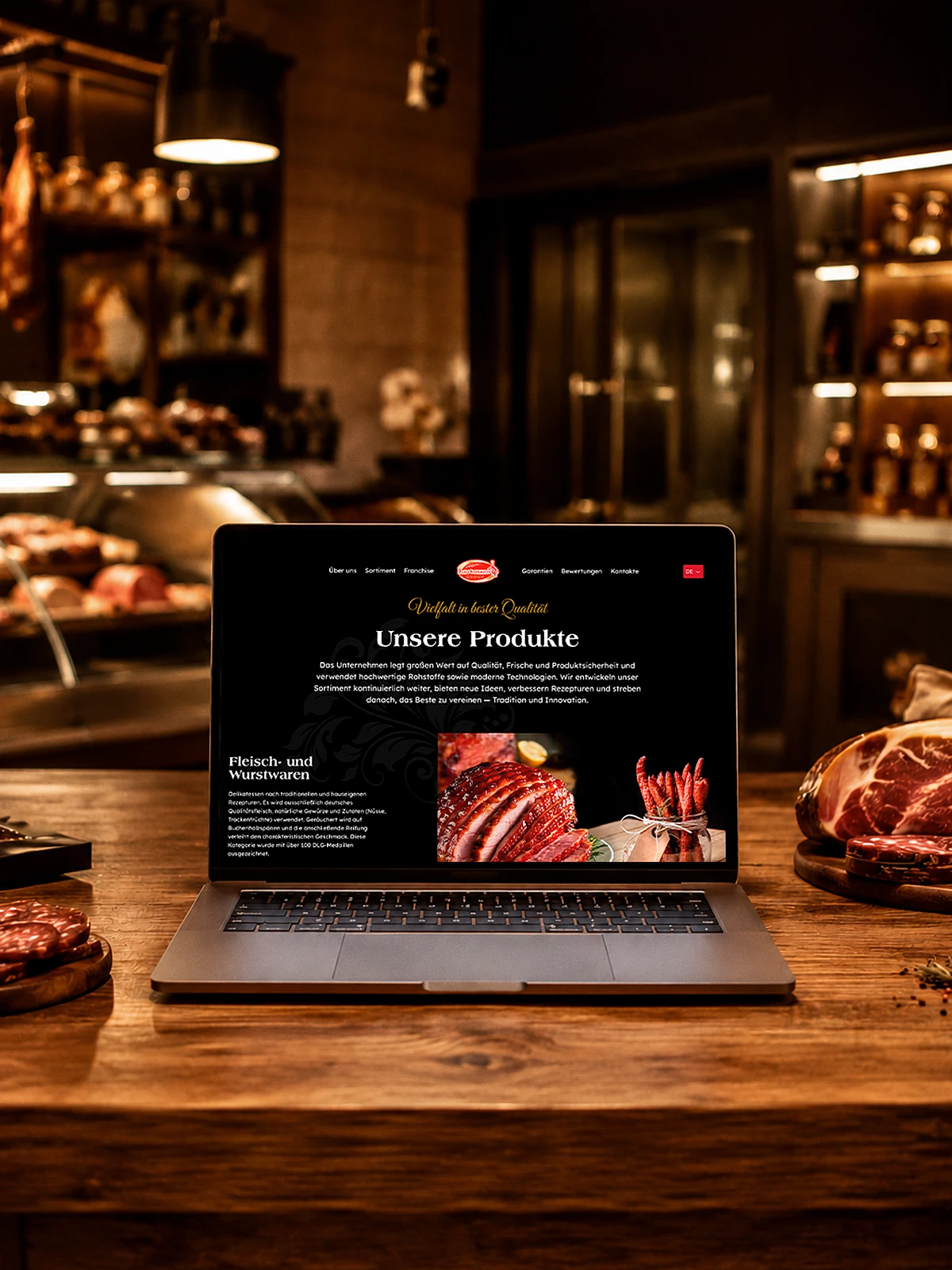
Development of a multilingual landing page for the Lackmann Fleisch- und Feinkostfabrik GmbH franchise in Germany
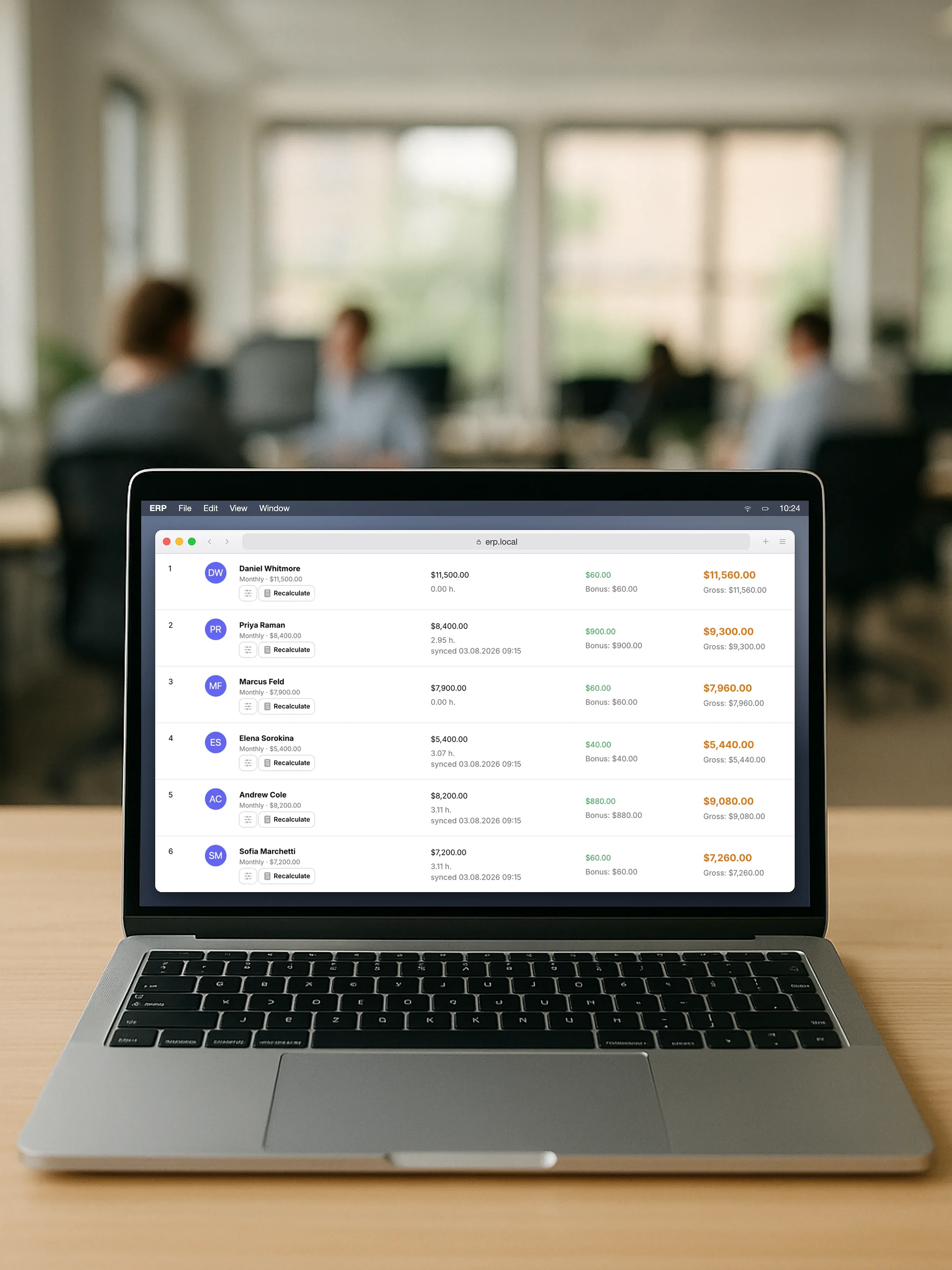
For a company of thirty people, an internal ERP gives HR and finance back two to four full working days every month — an estimate taken from the volume of manual work before and after. Disputed amounts are visible in the draft, before the payout rather than after it. The calculation rules live in the system, so the HR manager's vacation or departure no longer stops the month from being closed.
